TSUM VALLEY AND MANASLU CIRCUIT TREK

TSUM VALLEY AND MANASLU CIRCUIT TREK

Country

Nepal

Level

moderate

Duration

23 Days

Altitude

5,160 M

Group Size

2 - 15

Best Season

Spring and Autumn

mountain

Highlights

  • Journey into the secluded Tsum Valley, rich with Tibetan Buddhist culture and art.

  • Cross the majestic Larkya La Pass (5,160 m) with panoramic Himalayan views.

  • Visit sacred monasteries like Mu Gompa and Rachen Gompa near the Tibetan border.

  • Encounter authentic Gurung and Tibetan communities in remote mountain villages.

  • Explore two major conservation regions, Manaslu and Annapurna.

  • Experience vast contrasts from subtropical forest trails to glacial highlands.


  • Trek under professional guidance with proper safety planning and acclimatization.

Overview

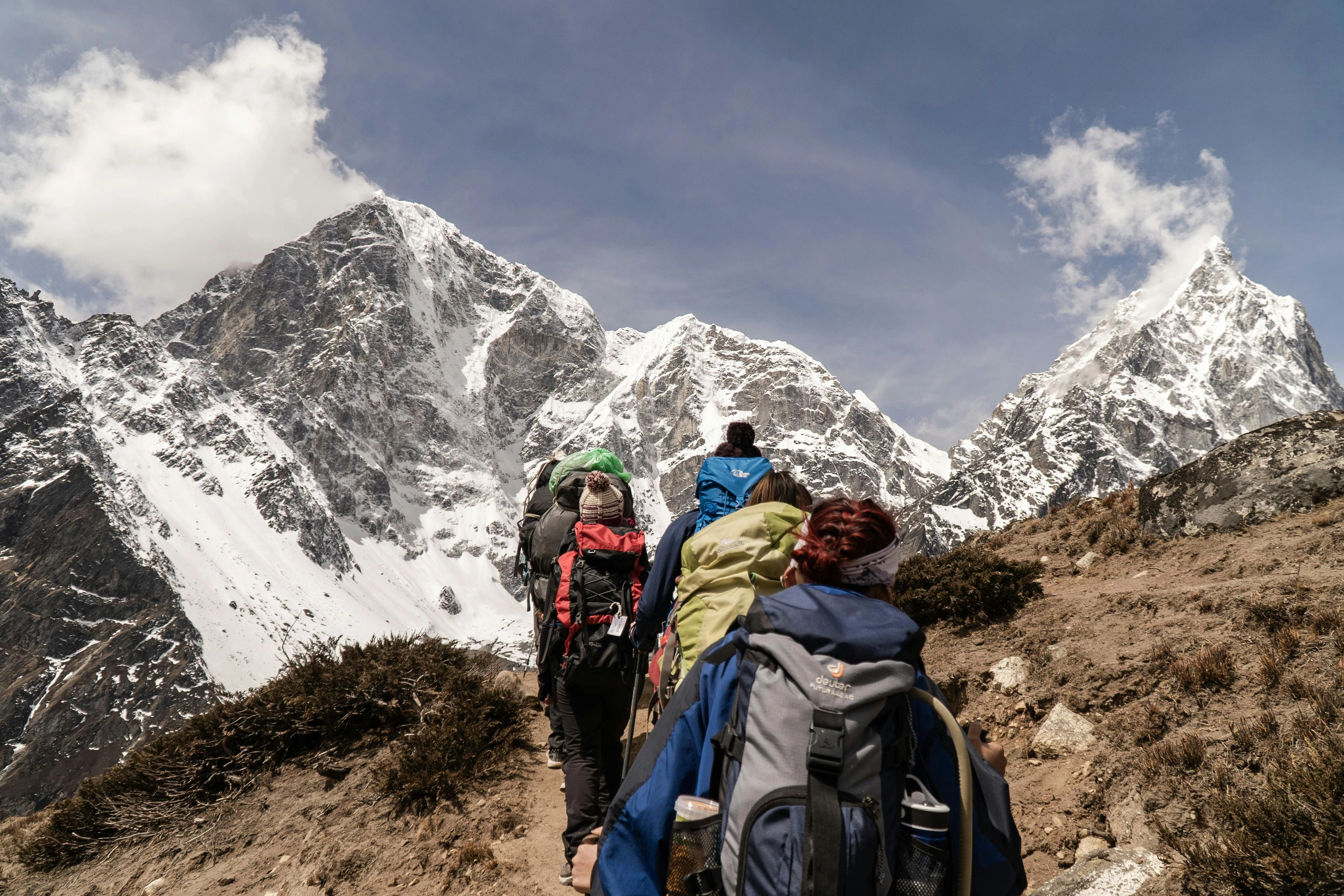
The Tsum Valley & Manaslu Circuit Trek is a profound journey through two of Nepal’s most remote and culturally vibrant Himalayan regions. Beginning in the warm, terraced lowlands of Gorkha, the route gradually unfolds into dense forests, suspension bridges, and timeless stone villages before reaching the tranquil alpine terrain beneath the towering Mt. Manaslu (8,163 m).

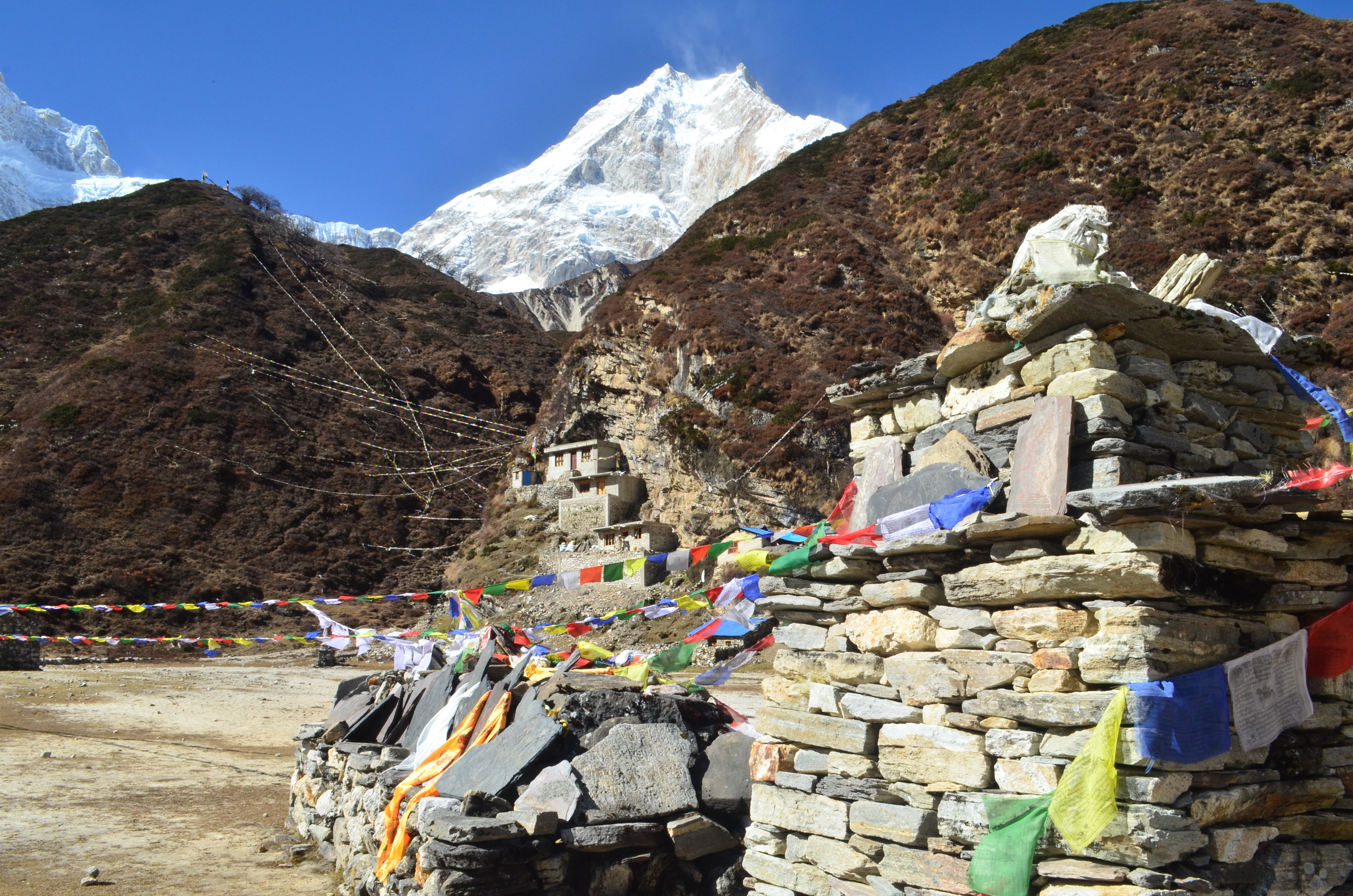
The Tsum Valley, often called the “Valley of Happiness,” preserves centuries-old Buddhist traditions. Here, ancient monasteries like Mu Gompa and Rachen Gompa continue to echo the chants of Tibetan monks, and prayer flags ripple in the mountain wind. As the trek connects with the Manaslu Circuit, trekkers traverse the breathtaking Larkya La Pass (5,160 m), one of Nepal’s most scenic crossings, surrounded by sweeping Himalayan views.

This 25-day adventure offers an authentic combination of wilderness, spiritual heritage, and physical challenge. It’s ideal for trekkers seeking a deep cultural experience away from the commercial trails while journeying through one of Nepal’s most diverse mountain landscapes.

Itinerary

Meet at the airport and transfer to your hotel. A detailed trek briefing is provided, including gear check and permit confirmation. Evening free to explore Thamel.

A long but scenic drive through Arughat and Soti Khola. The journey follows rivers, terraced fields, and traditional villages. Overnight in Machhikhola.

Cross suspension bridges and walk along narrow trails carved into hillsides. Pass Khorlabesi and Tatopani hot springs before reaching Jagat.


Walk through Salleri and Philim. Enter the restricted Tsum Valley region at Lokpa, with views of Shringi Himal.


Descend and climb through forested terrain. Traditional Tibetan houses and mani walls line the path. Overnight at Chumling.

A steady climb into upper Tsum Valley. Wide open landscapes and ancient chortens lead the way. Explore Paro and its monasteries.


Walk through fertile fields and pass villages like Lamagaon. Follow the Shiar Khola river to reach the Nile.


A spiritual day hike to the oldest monastery in Tsum. Explore meditation caves used by monks for centuries. Return to Nile for overnight stay.


Descend gradually, enjoying the open valley, prayer flags, and snow capped views. Overnight in Chhokang Paro.


Retrace your steps out of the Tsum Valley. Descend forest trails back to Lokpa.


Walk through bamboo forests and cross several small settlements. The trail gets narrower but scenic. Overnight in Deng.


A steady uphill journey through alpine vegetation. The first strong influence of Tibetan culture becomes visible in architecture and dress.


A scenic trek with one of the best early views of Manaslu. Visit Ribung Monastery and observe evening prayers.


A short and pleasant walk into the large village of Samagaon. Explore local lifestyle and monasteries.


Optional hikes:

  • Manaslu Base Camp for adventure

Birendra Lake for a moderate excursion
Rest and hydrate.


Walk along a high ridge with expansive Himalayan views. Samdo is a beautiful settlement near the Tibetan border.


A short but high-altitude walk to the Larkya La base camp. Prepare for the big pass day.


Start early for a challenging climb to the pass. Enjoy panoramic views of Himlung, Cheo Himal, Kang Guru, and Annapurna II. Long descent to Bimthang.


Descend through rhododendron forests, past villages like Goa and Tilije, then reach Dharapani.


Jeep ride to Tal and onward to Kathmandu, arriving by evening. Hotel transfer.


We will ride from Tal to Kathmandu on this day, bidding farewell to the Manaslu trek entering into the vibrant city of Kathmandu.


Relax or explore local attractions. Optional activities include spa, shopping, or short cultural tours.


Airport drop with warm farewell and completion of the journey.


Includes

Airport pick-up & drop-off in Kathmandu
Ground transport (Kathmandu ↔ Arughat/Bulbule)
Permits: Manaslu Restricted, Tsum Valley, MCAP & ACAP
Teahouse accommodation during trek (twin-sharing basis)
3 meals per day on trek (breakfast, lunch, dinner)
English-speaking licensed guide & porter (1 porter for every 2 trekkers)
Staff insurance, salary, meals & equipment
Medical kit & safety briefing before departure
All government taxes and service charges

Excludes

International flights & Nepal visa
Travel insurance (must cover emergency evacuation above 5,000 m)
Meals in Kathmandu and during transfer days
Personal trekking gear (available for rent on request)
Hot showers, Wi-Fi, charging, and beverages on trek
Tips for guide and porters
Extra nights, route changes, or delays due to weather or unforeseen events

Notes

note
Permits: Original passport required for Restricted Area permits.
note
Accommodation: Teahouses are clean but basic; bring a warm sleeping bag.
note
Drinking Water: Filtered or boiled water is recommended; avoid plastic bottles.
note
Connectivity: Mobile signal is weak beyond Lokpa; power banks recommended.
note
Fitness: Moderate to high fitness required; prior multi-day trekking experience preferred.
note
Cultural Etiquette: Respect local customs; walk clockwise around stupas and mani walls.

Relevant Blogs

 Why Autumn is the Best Season for Trekking in Nepal

Why Autumn is the Best Season for Trekking in Nepal

Autumn is widely regarded as the best trekking season in Nepal, and for good reason. From crystal-clear Himalayan views to comfortable weather and vibrant cultural experiences, autumn (September to November) offers everything a trekker could hope for. At Altinepal Treks, we believe this season delivers the most rewarding trekking experiences for both beginners and experienced adventurers.

Perfect Weather Conditions for Trekking in Nepal

Autumn arrives just after the monsoon, bringing stable weather, clear skies, and fresh mountain air. Daytime temperatures are mild and pleasant, making long trekking days comfortable, while nights are cool and ideal for restful stays in cozy teahouses.

This season provides excellent visibility, minimal rainfall, and reliable weather patterns—perfect conditions for high-altitude trekking. Whether you’re trekking in the Everest region, Annapurna region, or off-the-beaten-path trails, autumn ensures smooth and enjoyable journeys with Altinepal Treks.

Stunning Himalayan Views at Their Best

One of the biggest reasons autumn is the best time to trek in Nepal is the unbeatable mountain scenery. After the monsoon washes away dust and haze, the Himalayas appear sharper and more dramatic than ever.

Trekkers can enjoy breathtaking views of Mount Everest, Annapurna, Manaslu, Dhaulagiri, Langtang, and many other peaks. Clear autumn skies create perfect conditions for sunrise and sunset mountain views, making it an ideal season for photography and nature lovers.

Ideal Trail Conditions and Comfortable Logistics

Autumn trekking trails are dry, safe, and well-maintained, unlike the muddy paths of the monsoon season. This reduces the risk of slips and makes trekking more enjoyable and efficient.

As the peak trekking season in Nepal, all teahouses, lodges, and local services are fully operational. With Altinepal Treks, trekkers benefit from smooth logistics, comfortable accommodations, and well-planned itineraries that maximize safety and enjoyment.

Experience Nepal’s Festivals and Local Culture

Autumn is also Nepal’s most vibrant cultural season. Major festivals like Dashain and Tihar take place during this time, allowing trekkers to witness authentic traditions, colorful decorations, local music, and warm hospitality.

Trekking with Altinepal Treks during autumn offers a unique opportunity to combine adventure with cultural immersion, making your journey not just a trek, but a truly meaningful experience.

Rich Natural Beauty After the Monsoon

Post-monsoon landscapes are lush and alive. Forests, valleys, and terraced hillsides glow with fresh greenery, while rivers and waterfalls run crystal clear. Although rhododendron blooms belong to spring, autumn replaces them with golden forests, alpine meadows, and dramatic mountain backdrops.

Wildlife is also more active in lower regions, offering trekkers a chance to experience Nepal’s diverse flora and fauna along the trails.

Fewer Health Risks and Safer Trekking

Compared to monsoon and winter seasons, autumn trekking comes with fewer health concerns. Mosquitoes and insects are minimal, water sources are cleaner, and moderate temperatures reduce risks related to extreme cold or exhaustion.

Altinepal Treks prioritizes safety and comfort, making autumn an ideal time for high-altitude treks, long trekking days, and challenging mountain passes.

Ideal for Beginners and Experienced Trekkers Alike

Whether you’re planning your first trek in Nepal or looking to conquer advanced routes, autumn offers the best conditions for all experience levels. Stable weather, longer daylight hours, and safer trails make it perfect for classic treks like Everest Base Camp, Annapurna Circuit, and Manaslu Circuit.

With expert guides and customized itineraries, Altinepal Treks ensures every trekker enjoys a memorable and well-supported adventure.

Trek Nepal in Autumn with Altinepal Treks

Autumn truly stands out as the best season for trekking in Nepal. From clear Himalayan views and pleasant weather to rich cultural experiences and well-maintained trails, it delivers an unmatched trekking experience.

If you’re planning a trekking adventure in Nepal, Altinepal Treks is your trusted partner for safe, authentic, and unforgettable autumn treks. Explore the Himalayas at their finest and create memories that last a lifetime.

 Essential Tips for Trekking Safely in Nepal

Essential Tips for Trekking Safely in Nepal

Trekking in Nepal offers some of the world’s most breathtaking mountain experiences, but high-altitude trails also come with challenges. Proper preparation, awareness, and safety measures are essential to ensure a successful and enjoyable adventure.

Physical Preparation

  • Build endurance through regular cardio and strength training.

  • Practice hiking with a loaded backpack to simulate real trek conditions.

  • Focus on flexibility and balance exercises to handle uneven terrain.

Gear & Equipment

  • Sturdy trekking boots and layered clothing suitable for changing weather.

  • Trekking poles, headlamps, and gloves for comfort and safety.

  • First-aid kit, water purification tablets, and essential medications.

Acclimatization & Altitude

  • Gradual ascent and rest days help prevent altitude sickness.

  • Stay hydrated and eat balanced meals rich in carbohydrates.

  • Learn to recognize early signs of altitude-related illnesses.

Local Culture & Environmental Responsibility

  • Respect local traditions and customs of mountain communities.

  • Follow Leave No Trace principles to preserve trails and natural habitats.

  • Engage with local guides to enhance cultural understanding and support communities.