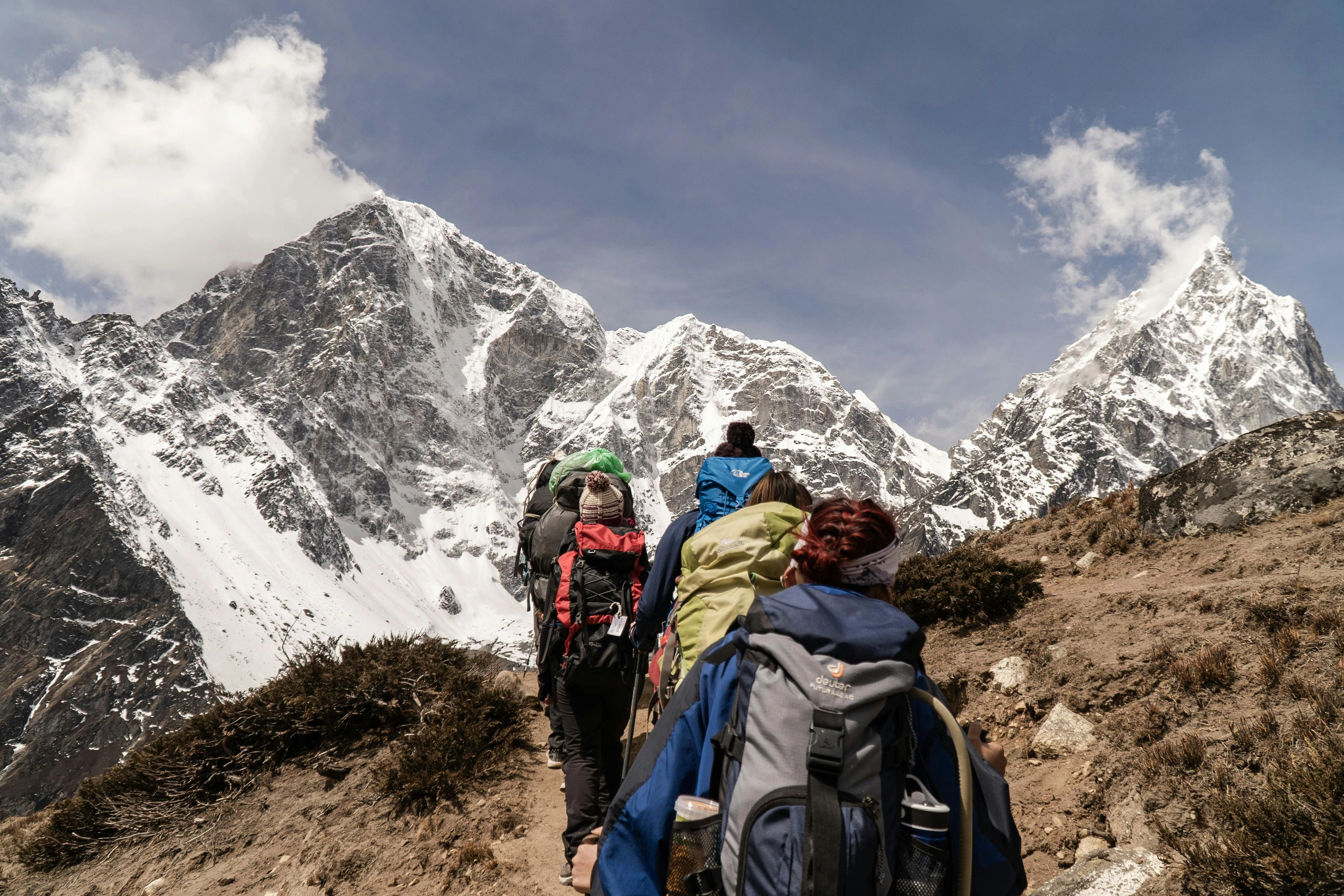
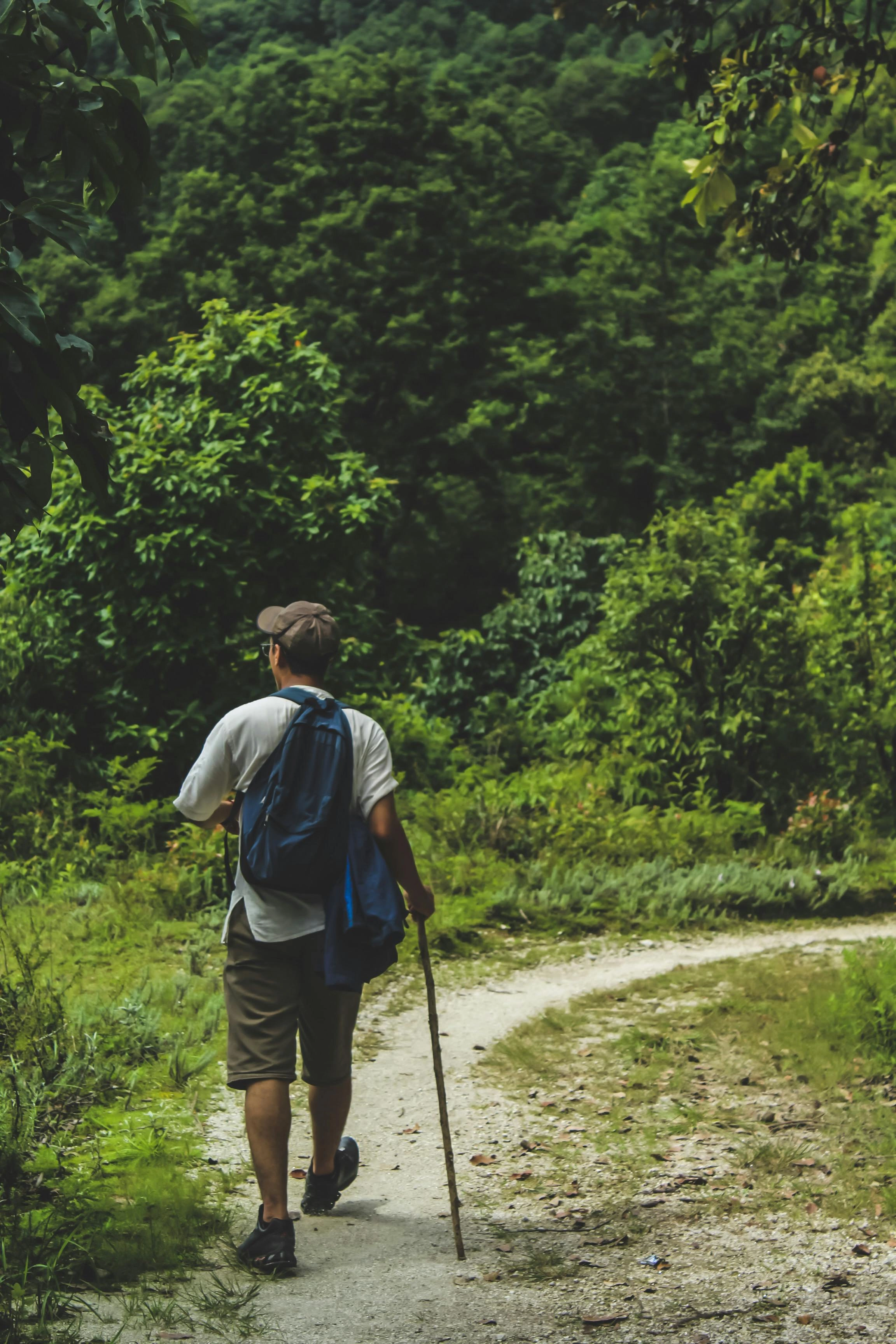
- Explore Nepal’s most remote Himalayan region, far from commercial trekking trails.
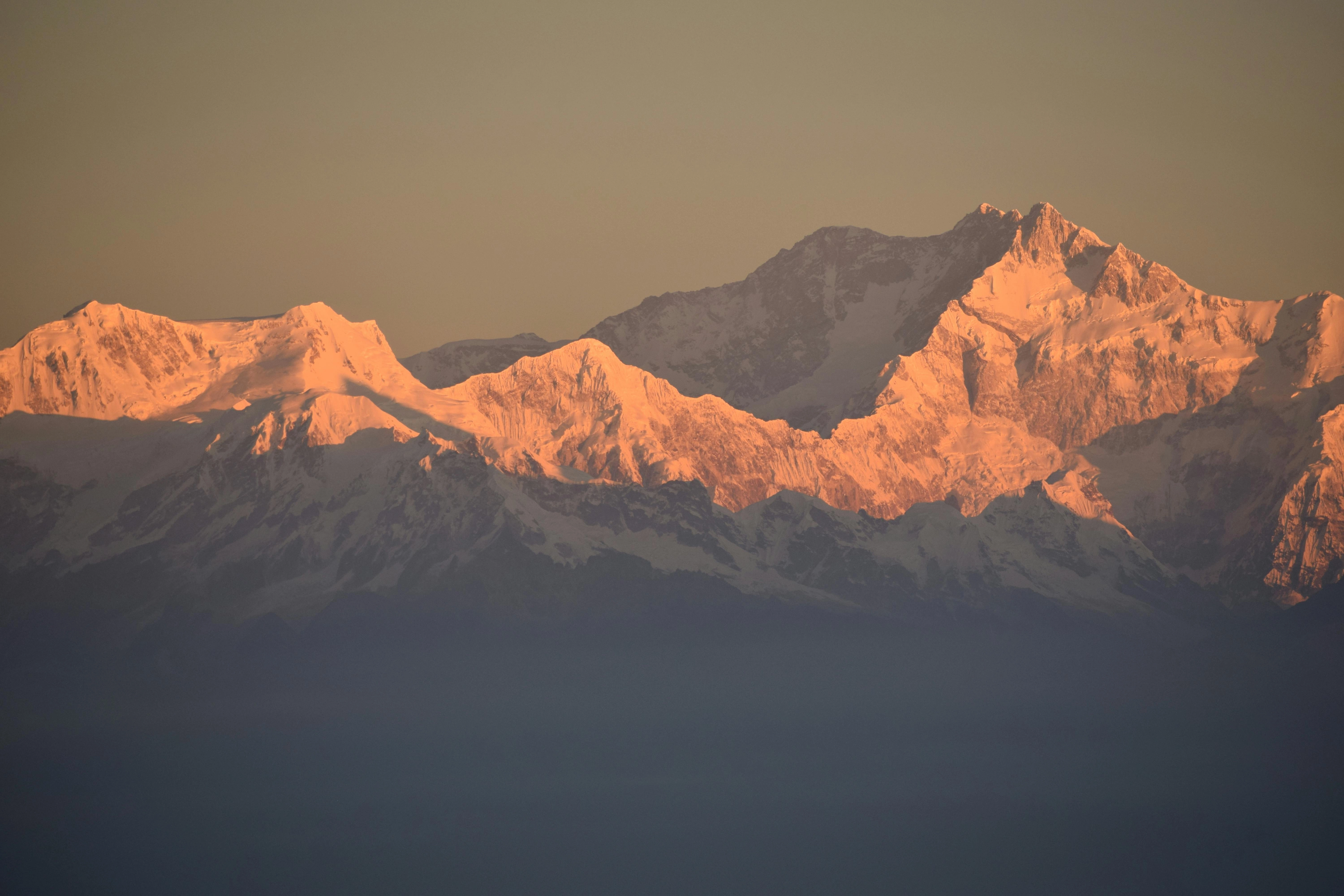
- Reach both the North Base Camp (Pangpema) and view the world’s 3rd highest mountain.
- Experience untouched Limbu, Sherpa, and Tibetan-influenced cultures.
- Walk through dense forests, high alpine valleys, and glacier-fed landscapes.
- Cross three high passes: Sele-La, Mirgin-La, and Sinion-La with breathtaking views.
- Spot rare wildlife including red pandas, Himalayan bears, and blue sheep.
- Trek inside the pristine Kanchenjunga Conservation Area.
- Enjoy an immersive 21-day Himalayan adventure ideal for serious trekkers.
KANCHENJUNGA BASE CAMP TREK
Country
Nepal
Level
moderate
Duration
21 Days
Altitude
5120 M
Group Size
1-20
Best Season
Spring and Autumn

Highlights
Overview
The Kanchenjunga Base Camp Trek takes you deep into Nepal’s most untouched and dramatic eastern Himalaya. Named after the world’s third-highest mountain (8,586 m), the region remains wild, isolated, and culturally rich, offering a trekking experience unlike any other in Nepal.
The journey begins with a scenic flight to Bhadrapur before driving into the remote Taplejung valley. From here, the trail winds through lush forests, terraced fields, and riverside villages inhabited by Limbu and Rai communities. Higher up, Buddhist influence becomes visible through monasteries, prayer flags, and traditional yak herders’ settlements.
As you gain altitude, the landscape transforms into rugged alpine valleys, glacial moraines, and towering peaks. Reaching Pangpema (5,120 m), the North Base Camp of Kanchenjunga, is the ultimate highlight, offering close-up views of the mighty Kanchenjunga North Face and surrounding peaks like Jongsong, Kirat Chuli, and Chang Himal.
From the north side, the trail crosses the famous trio of passes Sele-La, Mirgin-La, and Sinion-La before descending toward the southern valleys and the beautiful viewpoint of Oktang (4,600 m). The trek ends with a long drive back to Bhadrapur and a flight to Kathmandu.
Kanchenjunga remains one of Nepal’s most authentic trekking expeditions perfect for experienced trekkers seeking solitude, wilderness, and Himalayan purity.
Itinerary
Arrive in Kathmandu and transfer to your hotel. Take time to rest after your journey. In the evening, explore Thamel or relax while preparing for the trek.
Take a scenic 45-minute flight to Bhadrapur, then drive around 10 hours through lush hills and rural landscapes to reach Taplejung, the starting point of the trek. Overnight stay in a lodge.
A 4–5 hour drive brings you to Tapethok. After completing local formalities, walk 45 minutes along the Tamor River to reach Sekhathum. Enjoy the first mountain evening and settle into a lodge.
Begin with forested trails, crossing suspension bridges and climbing steep sections. The route passes waterfalls and narrow valleys before reaching Amjilossa, a small Tibetan-influenced settlement. Overnight in a lodge.
Follow a mix of uphill and gentle trails through bamboo and rhododendron forests. Gradually enter cooler alpine conditions as you reach the peaceful village of Gyabla. Rest and acclimatize.
Walk through dense forests, terraced fields, and riverside paths. The trail gradually ascends to Ghunsa, a traditional Sherpa village known for its monasteries and warm hospitality. Overnight in a lodge.
A full rest day helps your body adjust. Take a short hike toward the surrounding ridges for better acclimatization. Explore monasteries and learn about local culture and daily life.
Climb steadily through rocky terrain, passing glacial rivers and dramatic cliffs. Stunning views of Jannu Peak accompany the route. Reach Khambachen and rest in the high-altitude lodge.
Trek through open valleys, moraine fields, and icy streams. Views become increasingly alpine and vast. Arrive at Lhonak, a remote settlement offering cold yet spectacular mountain scenery.
Early morning hike toward Pangpema, the north base camp of Kanchenjunga. Enjoy close-up views of the world’s third-highest peak. After exploring, return to Lhonak for an overnight stay.
Retrace the trail, descending gradually from the high, open valley toward Khambachen. Enjoy a slow-paced day with impressive glacier views.
Descend into greener valleys, passing familiar landmarks. Return to Ghunsa for a warm lodge stay and rest after the high-altitude crossings.
Begin a steady climb through forests and ridges toward Sele Base Camp. The route becomes steeper and cooler as you gain altitude. Overnight in a simple high camp.
A challenging day crossing three high passes: Sele La, Mirgin La, and Sinion La. Enjoy dramatic Himalayan panoramas before descending to Tseram for rest and warmth.
Trek to the Oktang viewpoint for incredible southern Kanchenjunga views, glaciers, and towering peaks. Spend time exploring before returning to Tseram for the night.
Descend through rhododendron forests and river valleys. The warmer air and vegetation return as you reach Tortong for an overnight stay.
A long descent through forest trails, small villages, and terraced fields. Reach Yamphuding, one of the largest settlements in the region, for a well-earned rest.
Continue through rural hillsides and local farmlands. The terrain becomes easier as you descend toward Khebang, where you spend the night in a teahouse.
A long scenic drive of around 11–12 hours descends from the mid-hills to the flat lowlands of Bhadrapur. Overnight near the airport.
A short 45-minute morning flight returns you to Kathmandu. Transfer to your hotel and enjoy a relaxing evening in the city.
Transfer to Tribhuvan International Airport for your onward journey, marking the end of your Kanchenjunga Base Camp adventure.
Includes
Airport pick-up & drop-off
3 nights hotel in Kathmandu
Teahouse accommodation during trek
All trekking meals provided breakfast, lunch, and dinner throughout the journey
Domestic airfare (Kathmandu–Bhadrapur–Kathmandu)
All ground transportation
Experienced trekking guide
Porter (1 porter for 2 trekkers)
Insurance for guide & porters
Company duffel bag & sun hat
First aid kit
All permits (Kanchenjunga Restricted + KCA)
Local government taxes
Oxygen set available (USD 300 if used)
Excludes
International airfare
Nepal visa fees
Personal travel insurance
Lunch & dinner in Kathmandu
Hot shower during trek
Personal trekking equipment
Internet & phone charges
Personal expenses: drinks, snacks, laundry
Tips for guide & porters
Notes

Trek Grade: Strenuous; involves long walking days, high altitude, and remote terrain.
Experience Required: Prior multi-day trekking experience recommended.
Weather: Best in Spring (Mar–May) & Autumn (Sep–Nov).
Acclimatization: Includes rest days and gradual altitude gain.
Safety: Guided by licensed professionals with emergency support.
Sustainability: Waste-management, local porter employment, and eco-friendly trekking.