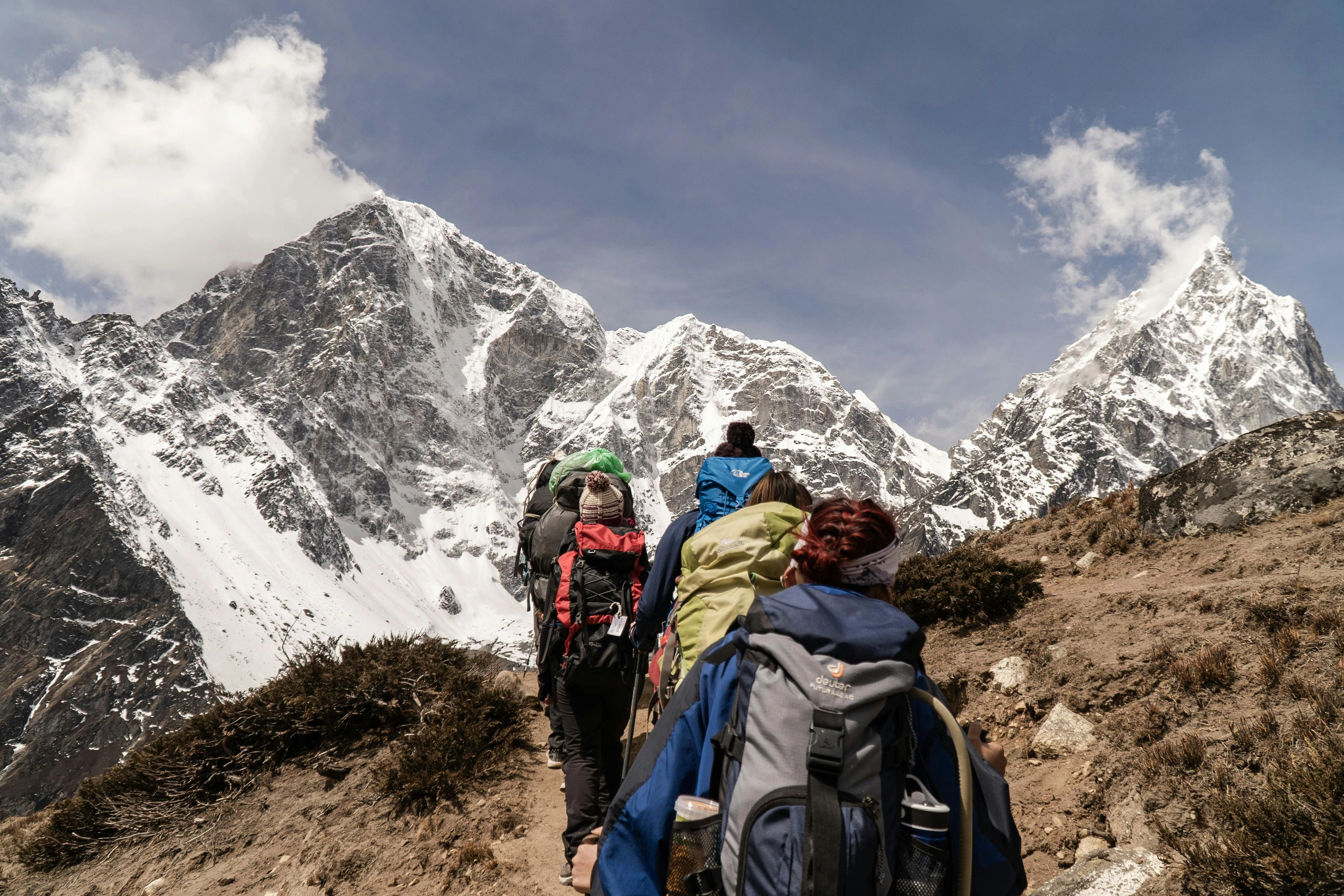
- Explore the stunning Langtang Valley, known as the “Valley of Glaciers.”
- Visit Kyanjin Gumba and trek to Tserku Ri (4,985 m) for breathtaking mountain views.
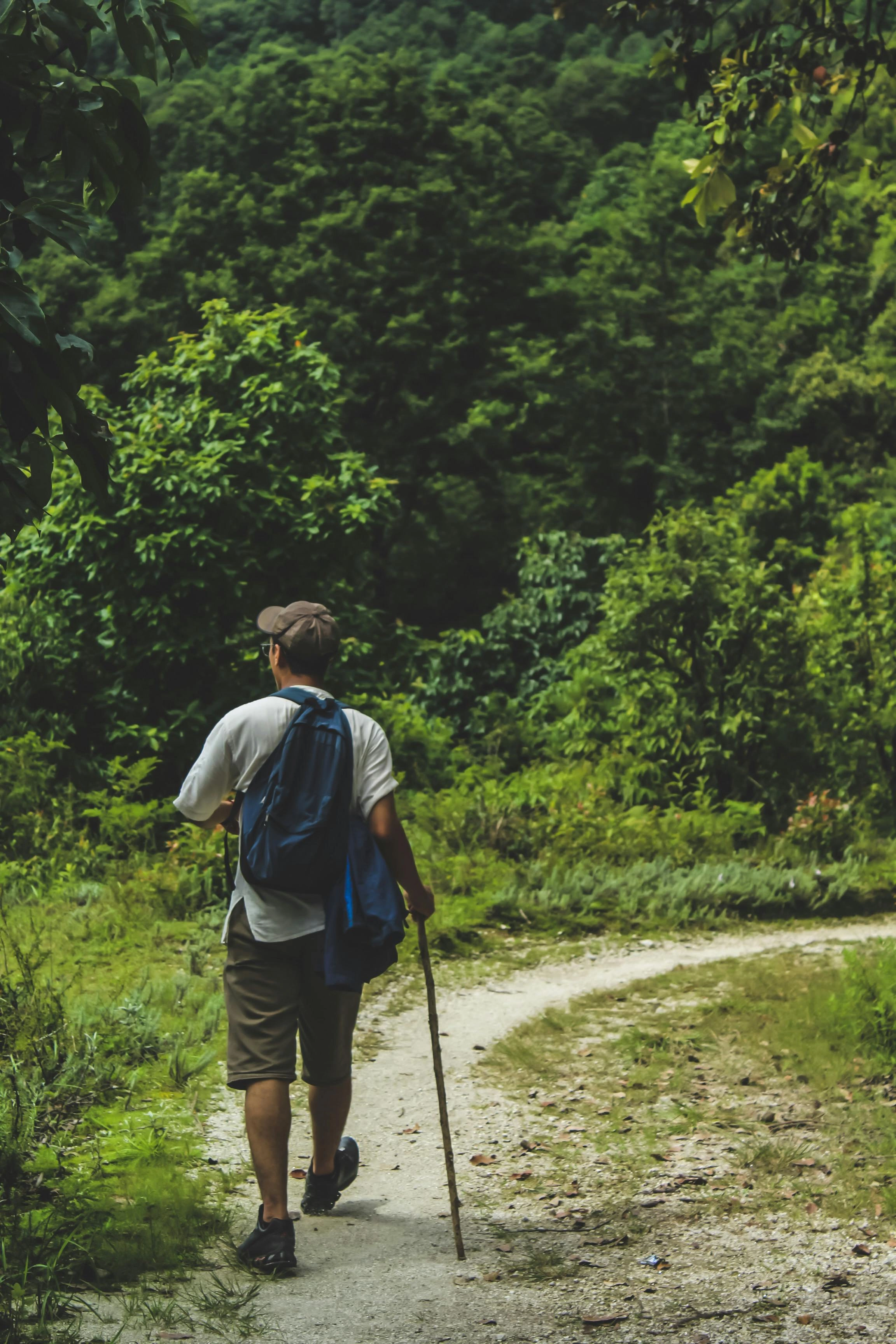
- Walk through lush forests, rhododendron jungles, and Tamang villages rich in Himalayan culture.
- Experience the holy Gosaikunda Lake, a sacred Hindu-Buddhist pilgrimage site.
- Cross scenic high ridges and enjoy panoramic views of Langtang Lirung, Ganesh Himal, and Dorje Lakpa.
- Stay in warm, family-run teahouses throughout the trek.
- Journey through two of Nepal’s most iconic trekking routes in a single itinerary.
LANGTANG VALLEY AND GOSAIKUNDA TREK
Country
Nepal
Level
moderate
Duration
14 Days
Altitude
4,380 m
Group Size
2-12
Best Season
March–May / September–November

Highlights
Overview
The Langtang Valley & Gosaikunda Trek ranks among Nepal’s most fulfilling short Himalayan journeys, combining towering peaks, holy lakes, and rich local culture. Beginning north of Kathmandu, this trek takes you deep into Langtang National Park, where lush forests, cascading rivers, and traditional Tamang villages line the trail like a living cultural museum.
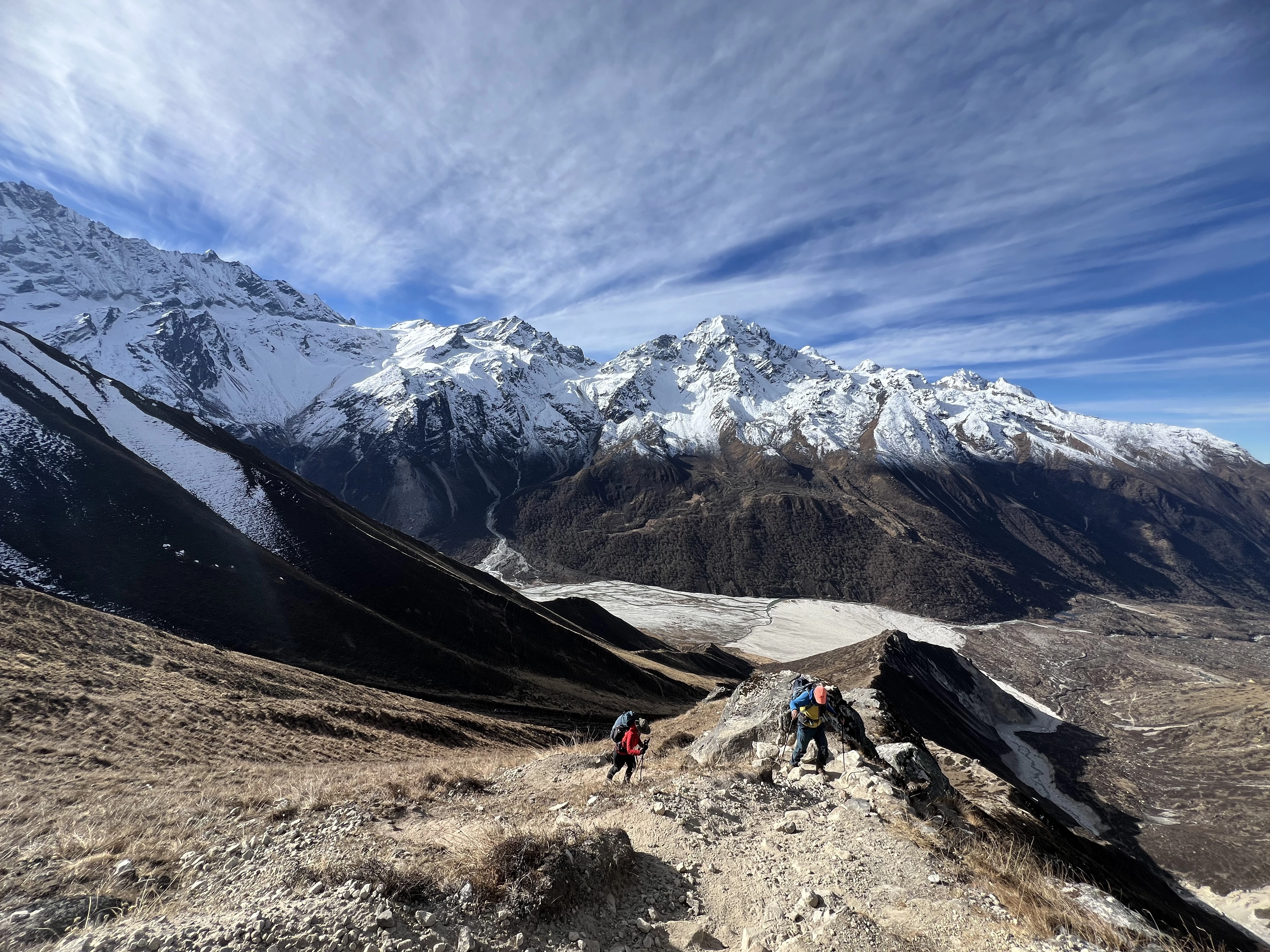
The Langtang Valley itself is a jewel broad, peaceful, and framed by towering peaks like Langtang Lirung (7,227 m). Days are spent walking through yak pastures, wooden bridges, and glacier-fed streams before reaching Kyanjin Gumba, the spiritual heart of the valley. A climb to Tserku Ri (4,985 m) offers one of Nepal’s most beautiful 360° mountain panoramas.
After exploring the valley, the trail continues to the sacred heights of Gosaikunda Lake (4,380 m) a turquoise alpine lake revered by millions. Surrounded by rugged ridges and sharp peaks, the area carries deep spiritual energy, with legends that date back centuries.
The combination of natural beauty, cultural richness, and high-altitude adventure makes this trek ideal for trekkers seeking a complete Himalayan experience within a moderate timeframe.
Itinerary
Arrive at Tribhuvan International Airport, where our representative greets you and escorts you to your hotel. After check-in, take time to rest from your journey or explore nearby Thamel streets. In the evening, enjoy a short briefing about the trek, safety guidelines, and upcoming adventure plans.
Begin a scenic drive north through winding mountain roads, terraced hills, and river valleys. Passing the Trishuli River and small settlements, the journey offers glimpses of rural Nepali life. Arrive at Syabrubesi, the gateway to Langtang Valley, and settle into a cozy teahouse for the night.
Start trekking through dense forests of oak, bamboo, and rhododendron, following the Langtang Khola. Cross suspension bridges and small villages along the way. The trail gradually ascends, offering chances to spot wildlife. Reach Lama Hotel and enjoy a warm meal and comfortable overnight stay.
Continue trekking through beautiful pine forests before the landscape opens into wider alpine terrain. Pass prayer wheels, mani walls, and chortens reflecting Buddhist culture. Arrive at Langtang Village, rebuilt after the 2015 earthquake, and enjoy mountain views surrounded by towering Himalayan peaks.
A relatively short but scenic walk leads through yak pastures and glacial streams. Enjoy panoramic views of Langtang Lirung and surrounding mountains. Reach Kyanjin Gumba, a spiritual and cultural center of the valley. Spend the afternoon exploring monasteries, cheese factories, and nearby viewpoints.
An early morning hike to Tserku Ri rewards you with breathtaking sunrise views over Langtang Lirung, Dorje Lakpa, and the surrounding snow-covered peaks. The climb is challenging but rewarding. After enjoying the panorama, descend carefully back to Kyanjin Gumba for rest and recovery.
Descend through familiar trails, retracing your path along rivers, forests, and alpine meadows. Enjoy changing landscapes as altitude decreases and vegetation thickens. The walk is mostly downhill, making it comfortable and scenic. Arrive at Lama Hotel and relax with warm food and peaceful surroundings.
Leave the Langtang Valley trail and climb steadily through forested hillsides toward Thulo Syabru. The path offers beautiful village scenery, terraced farms, and distant mountain views. Reach this traditional Tamang village known for its cultural charm and welcoming atmosphere. Overnight in a local teahouse.
The path climbs steadily through thick pine woods and vibrant rhododendron groves. Enjoy peaceful surroundings and occasional viewpoints overlooking valleys below. Reach Singh Gumba, also known as Chandanbari, is home to monasteries and a local yak cheese factory. Spend the evening resting and acclimatizing.
Climb steadily toward the sacred alpine lakes of Gosaikunda. The trail becomes more rugged and open, with spectacular views of surrounding peaks. Arrive at the holy Gosaikunda Lake, revered by Hindu and Buddhist pilgrims. Spend time exploring the lakes and enjoying the serene high-altitude environment.
Descend from the high alpine terrain back through rocky paths and forested ridges. Enjoy expansive views during the descent and feel relief as oxygen levels increase. Return to Chandanbari for a comfortable overnight stay, warm meals, and reflection on the spiritual experience at Gosaikunda.
Continue descending through dense forests, passing small villages and terraced fields. The trail gradually leads to Dhunche, the administrative center of Rasuwa district. Celebrate the completion of your trek with your team and enjoy the comforts of lower altitude after days in the mountains.
Drive back to Kathmandu along scenic mountain roads following rivers and hillsides. Upon arrival, transfer to your hotel. Enjoy free time for shopping, sightseeing, or relaxing. In the evening, you may enjoy a farewell dinner reflecting on your Himalayan trekking journey.
After breakfast, transfer to Tribhuvan International Airport according to your flight schedule. Depart Nepal with unforgettable memories of Langtang Valley, sacred Gosaikunda Lake, Himalayan landscapes, and rich cultural encounters experienced throughout the trek.
Includes
Airport pick-up and drop-off
2-night hotel in Kathmandu (B&B)
All teahouse accommodation during the trek
Breakfast, lunch, dinner during trek
Professional trekking guide
Porter service (1 porter for every 2 trekkers)
Guide & porter insurance
Company duffel bag & sun hat
First aid kit & pulse oximeter
All required permits
All government taxes
Excludes
International airfare
Nepal visa fees
Personal trekking insurance
Lunch & dinner in Kathmandu
Personal gear and equipment
Hot showers on trek
Drinks (hot, cold & alcoholic)
Internet & phone usage charges
Tips for guide & porters
Notes

Climbing Grade:Moderately technical alpine climb involving glacier travel, snow slopes, crevasse awareness, and high-altitude camping.
Experience Required:Previous trekking peaks or basic alpine climbing experience recommended. Good physical fitness and a readiness to learn are crucial.
Weather & Season:The best seasons are April–May (Spring) and September–October (Autumn) with stable weather and clear summit windows.
Health & Acclimatization:Well-planned acclimatization days, gradual altitude gain, and training rotations ensure safe adaptation.
Style:Pure alpine style with lightweight climbing, minimal fixed camps, and self-sufficiency.
Sustainability:All waste was packed out; local staff employed ethically under AltiNepal’s responsible expedition policy.