
mountain

Peak Climbing in Nepal: From 6000ers to 8000ers

d

Mr. Pur Bahadur Gurung (Yukta)

December 26, 2025

Share this:

Nepal is a mountaineer’s dream, home to a wide range of peaks from accessible 6000-meter climbs to the world’s towering 8000ers. Each peak presents unique challenges, breathtaking scenery, and an opportunity to test both physical endurance and mental resilience. Whether you are a beginner aiming for a 6000-meter summit or an experienced climber targeting the world’s highest mountains, Nepal offers routes that cater to all levels of expertise.
Choosing the Right Peak

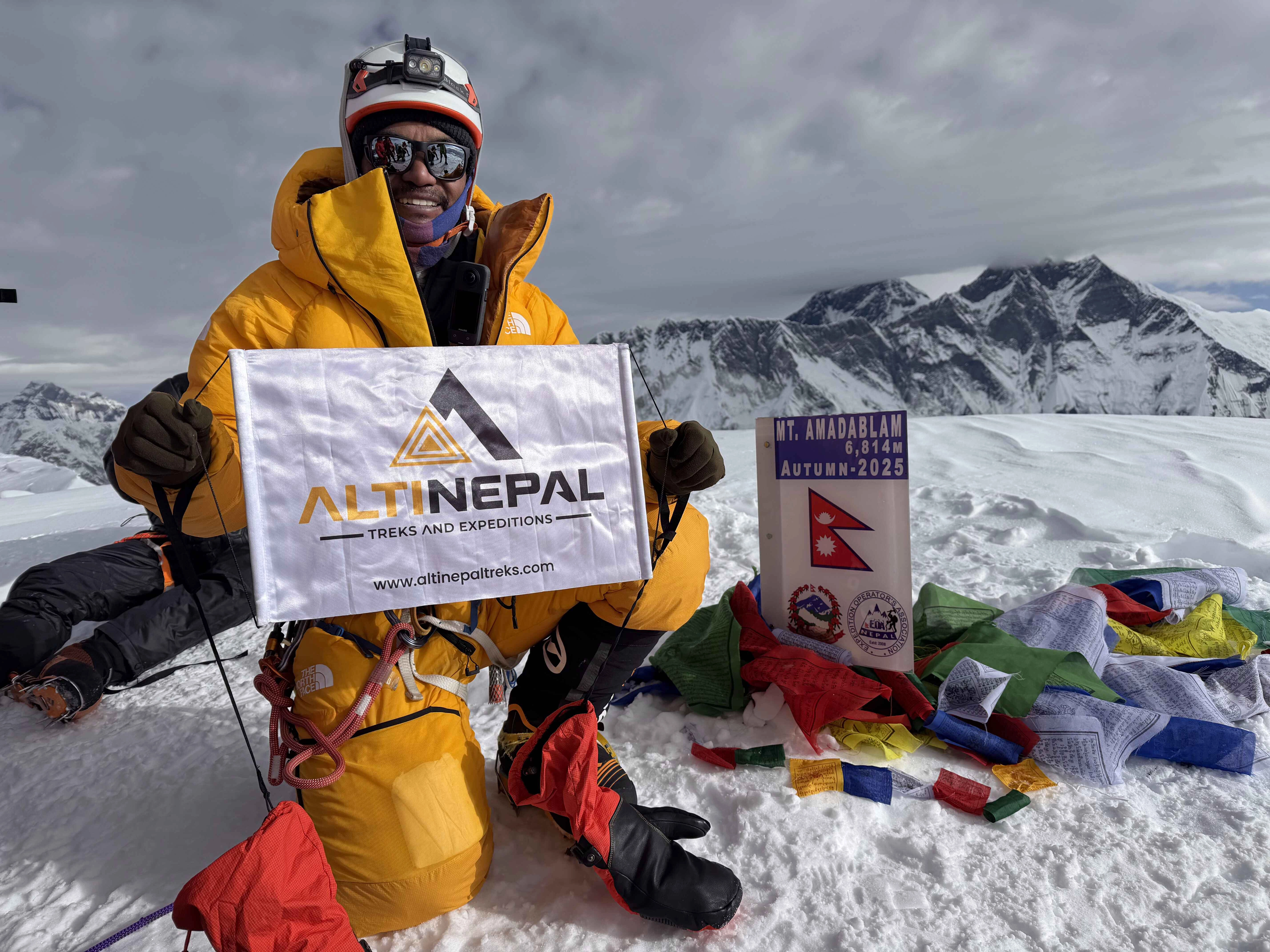
  • 6000ers: Ideal for beginners and intermediate climbers seeking high-altitude experience. Popular peaks include Island Peak, Mera Peak, and Lobuche East. These expeditions provide hands-on mountaineering training and acclimatization practice.

  • 7000ers: Suitable for experienced climbers ready for technical climbing challenges. Peaks like Annapurna IV and Dhaulagiri II require advanced skills, careful planning, and proper acclimatization.

  • 8000ers: Reserved for highly skilled mountaineers with prior high-altitude experience. Iconic peaks include Everest, Kanchenjunga, and Lhotse. These climbs demand top-level fitness, technical expertise, and full expedition support.

Preparation and Training

  • Physical Fitness: Cardiovascular endurance, strength training, and hiking with weighted packs are essential.

  • Technical Skills: Rope handling, ice climbing, glacier travel, and crevasse rescue training are required for 7000ers and 8000ers.

  • Acclimatization: Gradual ascent and rest days at base camps help prevent altitude sickness.

Essential Gear

  • Mountaineering boots, crampons, ice axes, harnesses, and ropes.

  • Layered clothing suitable for extreme cold and unpredictable weather.

  • Safety equipment including helmets, first-aid kits, and oxygen systems for higher peaks.

Logistics and Support

  • Hiring experienced guides and Sherpa support ensures safety and efficient expedition management.

  • Obtaining permits and insurance is mandatory for all peaks.

  • Base camps, high camps, and rescue planning are critical for high-altitude expeditions.

Safety and Environmental Responsibility

  • Respect local cultures and natural habitats.

  • Follow Leave No Trace principles to preserve the Himalayas.

  • Monitor health and weather conditions continuously during climbs.