
mountain

How to Pack for High-Altitude Treks: The Complete Guide Dos and Don’ts

d

Amrita Rai

December 10, 2025

Share this:

Packing for a high-altitude trek is an art of balance, between essentials and weight, comfort and resilience. Whether you’re heading for Everest Base Camp, Annapurna Circuit, or summiting peaks like Lobuche East or Himlung Himal, your packing strategy can define your success.

At high altitude, conditions change rapidly. The air thins, temperatures drop, and small mistakes become big challenges. Packing smart ensures safety, warmth, and the ability to adapt.

“The mountains reward those who travel light,  in baggage and in ego.” 

 Anonymous


1. Understanding High-Altitude Condition

At 3,000 m and above, every detail matters hydration, layering, and body temperature regulation. Expect daytime warmth and sub-zero nights.

  • Temperature range: −10°C to +25°C.

  • Weather: Clear mornings, windy afternoons, sudden snowfall.

  • Facilities: Basic teahouses up to 4,000 m; camping beyond.
  • Resupply: Limited essentials must be carried from

  •  Kathmandu or Pokhara.

2. Mastering the Layering System

(Base layer – Mid layer – Outer shell with arrows showing moisture flow and insulation)
1. Base Layer: Moisture-wicking thermals (avoid cotton).                                                                                                                                                                                                                              

2. Mid Layer: Insulating fleece or down jacket for warmth.

3. Outer Shell: Waterproof and windproof protection against sudden weather changes.

Layering isn’t just about warmth; it’s about control. You can add or remove as needed without overheating or freezing.

“Layer like a mountain- steady at the base, flexible at the top.”

3. Trekking Essentials Checklist

Clothing

  • 2 quick-dry trekking pants

  • 1 insulated pant for higher camps

  • 3–4 moisture-wicking shirts

  • Down jacket (rated for −10°C)

  • Thermal set + fleece

  • Warm hat, gloves, and buff

  • Windproof outer layer

Footwear

  • Broken-in trekking boots

  • Camp sandals/slippers

  • Gaiters for snow or mud

Gear

  • 50–65L backpack with rain cover

  • 20–30L daypack

  • Trekking poles

  • Sleeping bag (−10°C rating)

  • Headlamp & extra batteries

  • Sunglasses (UV400)

  • Water bottles or hydration pack

  • Purification tablets or filter

Personal Items

  • Sunscreen SPF 50+

  • Lip balm & wet wipes

  • Toiletries & small towel

  • Basic first-aid kit

  • Personal medications & Diamox (if prescribed)

  • Energy snacks

4. The DOs of High-Altitude Packing 

“Respect the mountain. Prepare as if the weather owes you nothing  because it doesn’t.”

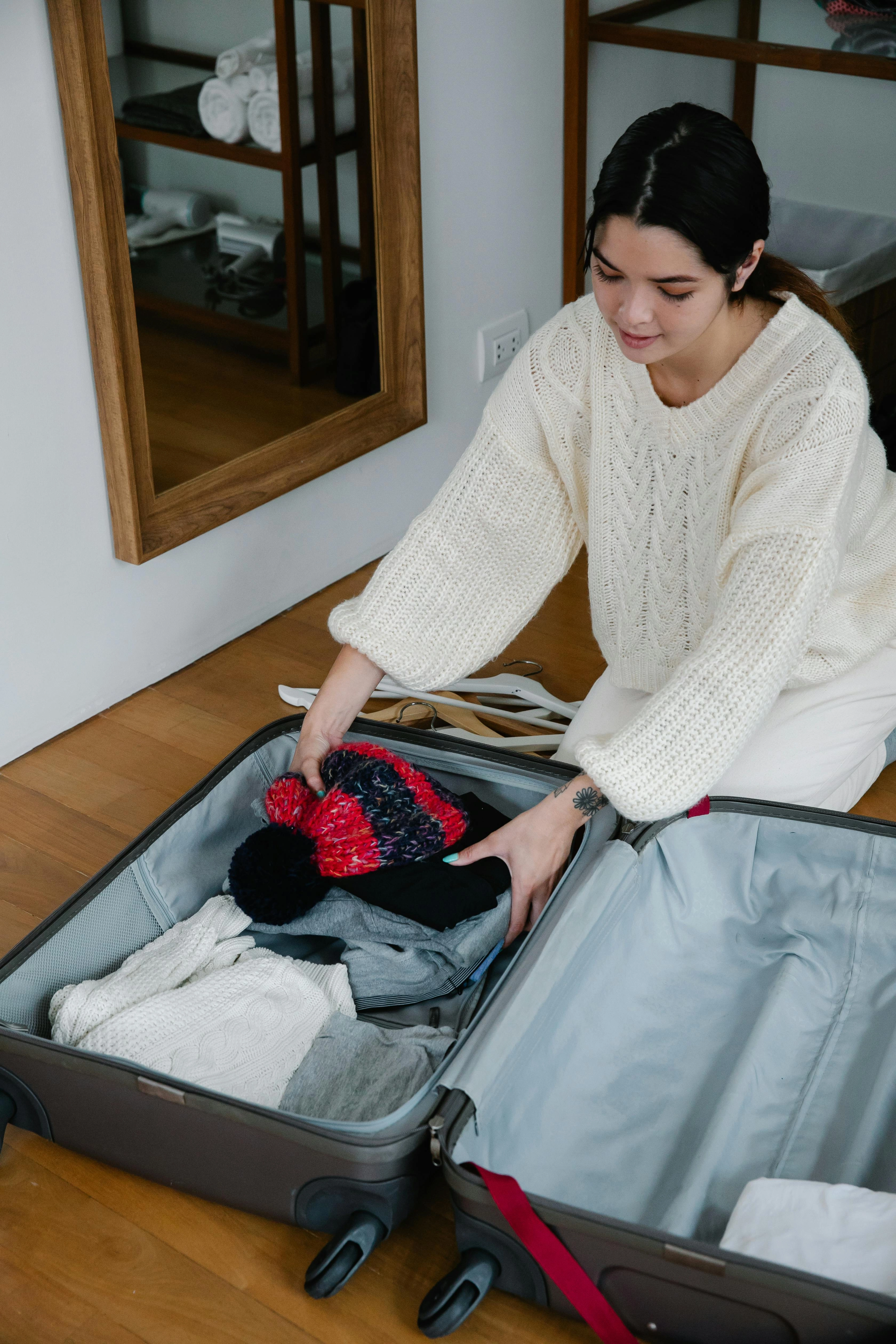
  • Pack Light but Smart: Choose multipurpose gear. Every gram counts at 4,000 m.

  • Test Everything: Break in boots and check your backpack before departure.

  • Keep Documents Safe: Passport, permits, and insurance in a waterproof pouch.

  • Layer Wisely: Adjust layers often to maintain body comfort.

  • Follow Airline Limits: Domestic flights allow ~10 kg checked + 5 kg hand luggage.

5. The DON’Ts of High-Altitude Packing 

  • Don’t Pack Cotton: It absorbs sweat and chills you.

  • Don’t Ignore Sun Protection: UV rays intensify with altitude. Always wear sunglasses and sunscreen.

  • Don’t Overpack Food: Carry light, high-energy snacks and teahouses provide hot meals.

  • Don’t Forget Hydration: Aim for 3–4 liters of water daily.

  • Don’t Leave Gear Uncovered: Store electronics and clothing in dry bags at night.

6. Pro Tips from Altinepal Guides 

  1. Roll clothes instead of folding to save space.

  2. Pack heavy items near your spine for better balance.

  3. Keep a separate dry bag for used clothes.

  4. Sleep with electronics to prevent freezing.

  5. Keep a small kit handy: snacks, water, rain jacket, and camera.

“Experience teaches you that you can’t pack confidence you earn it on the trail.” 

7. Sample Packing Weight Distribution

8. Eco-Friendly Packing

At Altinepal Treks, we promote responsible trekking. 

Bring:

  • Reusable water bottles

  • Biodegradable soap

  • Recyclable batteries

  • Cloth bags for snacks

Each sustainable choice supports cleaner trails and a healthier Himalaya.

9. Final Thoughts

Packing for high altitude isn’t just about gear, it's about mindfulness. The right preparation builds confidence, keeps you safe, and allows you to enjoy the serenity that the Himalayas offer.

      “The mountains don’t demand perfection, just preparation.”

Take what you need, respect what you meet, and let the mountains teach you the rest.

Author’s Note

Written by Altinepal Treks, IFMGA-certified guides and lifelong mountain explorers dedicated to making every trek a safe, memorable, and responsible experience.